 Event Starts in:



Responsible gambling tips for a safer casino experience
Responsible gambling tips for a safer casino experience
Understanding the Psychology of Gambling
Gambling can be an exhilarating experience, combining thrill and anticipation. However, it’s essential to understand the psychology behind why people gamble. Many individuals are drawn to the excitement of winning, the allure of risk, and the social aspects of playing in a casino environment. This psychological mix can sometimes lead to poor decision-making, especially when emotions run high, making it crucial for gamblers to remain aware of their motivations and emotional states. By exploring engaging games like betty casino, players can immerse themselves in fun while maintaining a sense of balance.
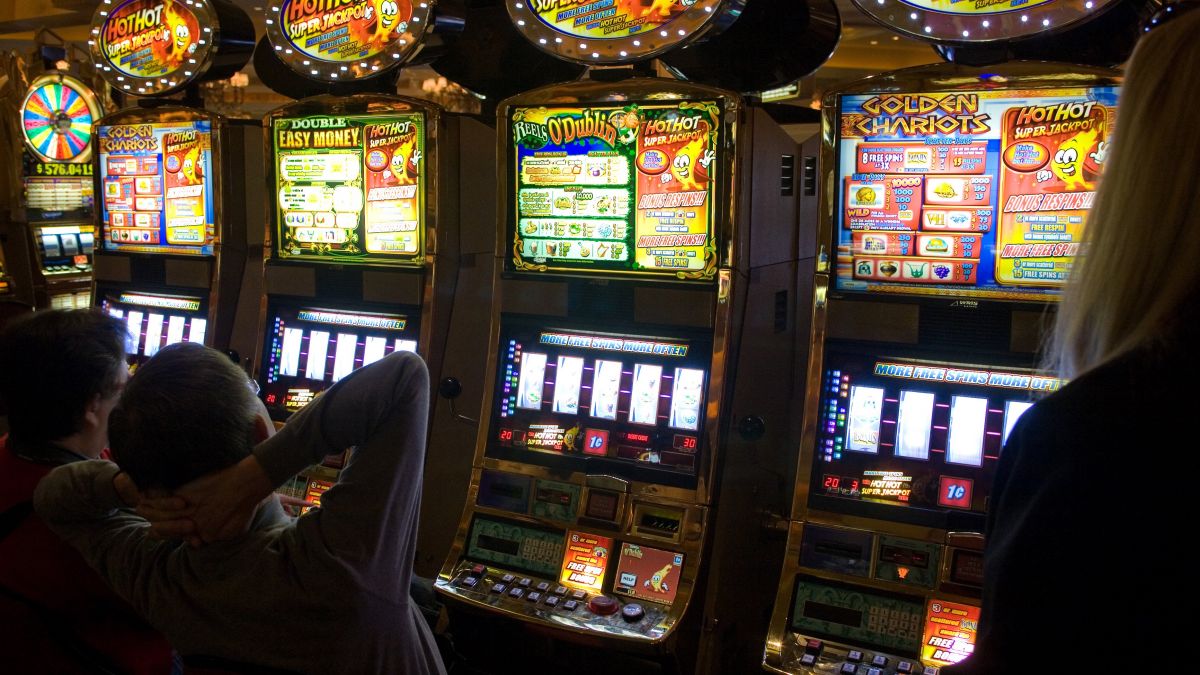
The excitement associated with gambling can often lead to an overestimation of personal luck and skill. Players may believe they can control outcomes, leading to persistent gambling even after losses. Recognizing this tendency is vital for fostering a responsible gambling mindset. By acknowledging that luck plays a significant role in gambling outcomes, players can manage their expectations, reducing the likelihood of impulsive behavior fueled by a desire to recoup losses.
Moreover, many gamblers experience the phenomenon known as “chasing losses,” where they feel compelled to continue playing in hopes of recovering what they’ve lost. This behavior can spiral into a cycle of problem gambling. Understanding these psychological traps can empower individuals to recognize when they are at risk and take proactive steps to mitigate potential harm.
Setting a Budget and Sticking to It
One of the most effective strategies for responsible gambling is setting a budget before engaging in casino activities. This budget should reflect an amount one is comfortable losing, ensuring that gambling does not interfere with essential financial obligations like rent, bills, or savings. By establishing a clear limit, players create a structured approach to their gambling experience, which can significantly reduce the chances of overspending.
Sticking to this budget is equally important. Players should use physical cash rather than credit cards or digital payments, as this method can make it easier to control spending. The tangible nature of cash can help individuals visualize their limits better and discourage reckless betting behaviors. For instance, withdrawing a specific amount of money and leaving the cards at home can create a natural barrier against impulsive gambling.
Moreover, many casinos offer tools to help players set deposit limits or self-exclude from gambling for a period. Utilizing these options can provide a safety net for those who struggle to maintain control over their spending. Ultimately, sticking to a budget fosters a more enjoyable and responsible gambling experience, reducing the likelihood of developing problematic habits.
Recognizing Signs of Problem Gambling
Awareness of the signs of problem gambling is crucial for maintaining a safe gaming experience. Indicators can include an increasing preoccupation with gambling, the need to wager larger amounts to achieve the same level of excitement, and neglecting other important aspects of life, such as work, relationships, and hobbies. Recognizing these signs is the first step toward addressing any potential issues and seeking help when needed.
Another significant sign is the tendency to lie about gambling habits or hide losses from friends and family. This behavior often signifies a struggle with gambling addiction and indicates that a person may be in over their head. If an individual finds themselves justifying their gambling behavior or feeling anxious when not gambling, it may be time to reflect on their relationship with the activity.
Being proactive about recognizing these signs can make a difference in addressing any emerging gambling issues. Support systems, such as talking to friends or family or even seeking professional help, can provide valuable insights and assistance. Understanding these warning signs enables gamblers to act decisively, making it possible to enjoy gaming as a form of entertainment while avoiding the pitfalls of addiction.
Taking Breaks and Practicing Mindfulness
In the fast-paced environment of casinos, it’s easy to lose track of time and get swept away in the excitement. Taking breaks during gaming sessions is an essential practice for responsible gambling. Setting a timer or planning designated intervals can help players step back, reflect on their experience, and reassess their emotional state. Taking a moment to breathe and regroup can prevent impulsive decisions that often arise from an adrenaline rush.
Incorporating mindfulness techniques can further enhance a responsible gambling strategy. Mindfulness involves being fully present in the moment and aware of one’s thoughts and feelings without judgment. By practicing mindfulness, gamblers can better manage their emotions, identify triggers for compulsive behavior, and make more rational decisions during gameplay. Simple techniques, such as deep breathing or focusing on physical sensations, can help re-center oneself during a gaming session.
Additionally, mindfulness can extend beyond the gambling environment. Practicing relaxation techniques in daily life can help reduce stress and improve overall mental well-being. This holistic approach can create a balanced perspective on gambling, allowing players to enjoy it as a form of entertainment rather than a means to escape or cope with life’s challenges.

Conclusion: Enjoying a Safe Casino Experience
Adopting responsible gambling practices enhances not only individual experiences but also the overall casino culture. By understanding the psychology behind gambling, setting budgets, recognizing signs of potential problems, taking regular breaks, and practicing mindfulness, players can engage in a healthier relationship with gambling. These strategies empower individuals to enjoy gaming responsibly, transforming potential risks into enriching experiences.
Furthermore, casinos and gaming operators also play a pivotal role in promoting responsible gambling. Many establishments offer resources, education, and support for players struggling with gambling issues. Being informed and aware of available help contributes to creating a safer gambling environment for everyone involved. Responsible gambling is a shared responsibility, and fostering a culture of awareness benefits both players and the community.













No comments