 Event Starts in:



Exploring the historical evolution of gambling practices through the ages
Exploring the historical evolution of gambling practices through the ages
The Origins of Gambling
The roots of gambling can be traced back to ancient civilizations, where games of chance emerged as a form of entertainment and social interaction. Archaeological findings suggest that as far back as 3000 BC, people in ancient China were using tiles to play a rudimentary game of chance. Similarly, the Egyptians participated in various betting activities, often linked to their beliefs and rituals, showcasing how gambling has been intertwined with culture and society from its inception. For those interested in modern variations, the 4rabet chicken road slot game exemplifies how traditional themes are adapted in contemporary gaming.

As gambling practices evolved, they spread across different regions and cultures. In ancient Rome, betting on gladiatorial contests became a popular pastime, highlighting the connection between gambling and public spectacles. Roman emperors often engaged in gaming, reflecting its status among the elite. This early integration of gambling into public life set the stage for its development through subsequent historical periods, demonstrating its significance as both a social and economic activity.
Throughout history, gambling has often reflected the social norms and economic conditions of the time. The Middle Ages saw gambling viewed with suspicion, often condemned by the Church. However, it persisted in various forms, from simple dice games to more organized betting on events. The duality of gambling, being both revered and reviled, showcases the complexity of human behavior and the enduring allure of chance and risk.
The Rise of Organized Gambling
The 17th century marked a pivotal point in the evolution of gambling with the rise of organized betting. This period saw the establishment of official lotteries, which were initially used to fund public projects and state expenditures. Governments recognized the potential of gambling as a source of revenue, leading to the formal regulation of gaming activities. This development not only increased public participation but also facilitated a shift in perception, as gambling began to be viewed as a legitimate form of entertainment.
In addition to lotteries, the emergence of gaming houses and betting shops during this time laid the groundwork for modern gambling establishments. These venues provided a structured environment for betting, allowing patrons to engage in various games, from card games to dice. The popularity of these establishments led to an increase in gambling-related activities, promoting the idea of chance as a form of leisure, a sentiment that still resonates today.
The 18th century further advanced organized gambling, with the introduction of casinos in Europe. The first official casino opened in Venice in 1638, setting a precedent for future gambling houses. These venues not only provided a space for games of chance but also became social hubs for the wealthy elite. The rise of casinos transformed the gambling landscape, influencing cultural attitudes and paving the way for the opulent gaming resorts we see in contemporary times.
Gambling in the Modern Era
The 19th century brought about significant changes in gambling, particularly with the advent of new technology and transportation. Innovations such as the printing press allowed for the proliferation of gambling-related literature, educating the public about different games and strategies. Additionally, the expansion of railroads made it easier for people to travel to gambling destinations, leading to the establishment of iconic venues such as Monte Carlo, which became synonymous with luxury and high-stakes gaming.
The introduction of slot machines in the late 19th century revolutionized the gambling industry. These machines offered a simpler form of betting that appealed to a broader audience, paving the way for the rise of casinos in the 20th century. With the increase in accessibility, gambling transformed from an elite pastime into a popular activity enjoyed by a diverse range of individuals, further solidifying its position in modern society.
The legalization of gambling in various forms across many countries marked a significant turning point in the modern era. Governments recognized the economic benefits of regulated gambling, including tax revenues and job creation. This acceptance led to the establishment of numerous state lotteries, casinos, and online betting platforms. As technology advanced, online gambling emerged as a dominant force, reshaping how individuals engage with games of chance and further integrating gambling into everyday life.
The Impact of Technology on Gambling
The digital age has significantly transformed the gambling landscape, making it more accessible and convenient than ever before. With the rise of the internet in the late 20th century, online gambling platforms emerged, allowing users to place bets and play games from the comfort of their homes. This shift not only expanded the reach of gambling but also introduced new gaming options, such as virtual casinos and live dealer games, enhancing user engagement.
Mobile technology has further revolutionized gambling by providing users with the ability to gamble on-the-go. Mobile applications and responsive websites have made it possible for individuals to place bets, enter tournaments, and play casino games anywhere and anytime. The convenience of mobile gambling has attracted a new generation of players, significantly altering the demographic landscape of the gambling community and leading to increased participation rates.
The integration of advanced technologies, such as virtual reality and blockchain, is also shaping the future of gambling. Virtual reality casinos offer immersive experiences that replicate the atmosphere of traditional gaming environments, while blockchain technology enhances security and transparency in online betting. These innovations not only improve user experience but also address concerns related to fairness and trust, critical elements in the gambling industry.
Gambling Today and Future Trends
Today, gambling is a multi-billion-dollar industry that encompasses various forms, from traditional casinos to online betting platforms. The social acceptance of gambling has grown, with many viewing it as a form of entertainment rather than a vice. Responsible gambling initiatives are also gaining traction, encouraging players to engage with games in a safe and controlled manner. This evolution reflects a broader shift in societal attitudes towards risk and leisure.
The rise of eSports betting is one of the most notable trends in modern gambling. As competitive gaming continues to gain popularity, betting on eSports events has become a lucrative market. This shift not only demonstrates the adaptability of the gambling industry but also highlights the influence of technology and changing interests among younger generations. The integration of eSports into the gambling fold illustrates how traditional practices can evolve alongside contemporary entertainment trends.
Looking towards the future, the gambling industry is likely to continue evolving as new technologies and regulations emerge. As artificial intelligence becomes more prevalent, personalized gaming experiences may be developed, catering to individual preferences and behaviors. Additionally, the ongoing discussion about the ethics and regulation of gambling will shape its future, ensuring that it remains a responsible and enjoyable pastime for all.
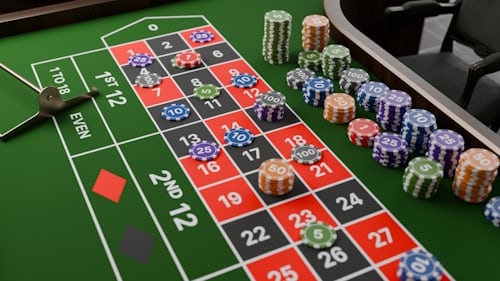
About Our Website
Our website serves as a comprehensive resource for those interested in exploring the myriad aspects of gambling. We provide insightful articles, guides, and analyses to educate readers about the history, practices, and trends in the gambling industry. By offering a wealth of information, we aim to foster a deeper understanding of how gambling has evolved and its significance in contemporary society.
We are committed to promoting responsible gambling by providing resources that encourage informed decision-making and safe practices. Our support team is dedicated to assisting users with any questions or concerns they may have, ensuring a seamless experience on our platform. Join us as we continue to explore the fascinating world of gambling, its history, and its future.













No comments